Key Highlights Introduction Starting in-home ABA therapy can be a transformative step for both you and your child. ABA (Applied Behavior Analysis) therapy is designed to help children on...
Key Highlights As a parent of a child undergoing ABA therapy in Maryland, you may be asking: “Should I stay during my child’s sessions?” Your presence can make a...
When exploring autism therapy options, you may come across terms like ABA and BCBA. While they’re often mentioned together, they’re not the same. ABA stands for Applied Behavior Analysis,...
Applied Behavior Analysis (ABA) therapy is widely recognized for its effectiveness in helping children with autism spectrum disorder (ASD) develop essential skills. However, the question of whether ABA can...
Autism spectrum disorder is estimated to affect about 1 in 68 children, with families facing a range of challenges once a diagnosis arrives. Research shows that early intervention for...
The IQ of a nonverbal autistic person can vary widely, just like with verbal individuals. Being nonverbal does not mean a person has a low IQ. In fact, many...
The minimum hours for ABA therapy can vary based on the child’s needs, but most experts recommend at least 10 to 15 hours per week for meaningful progress. For...
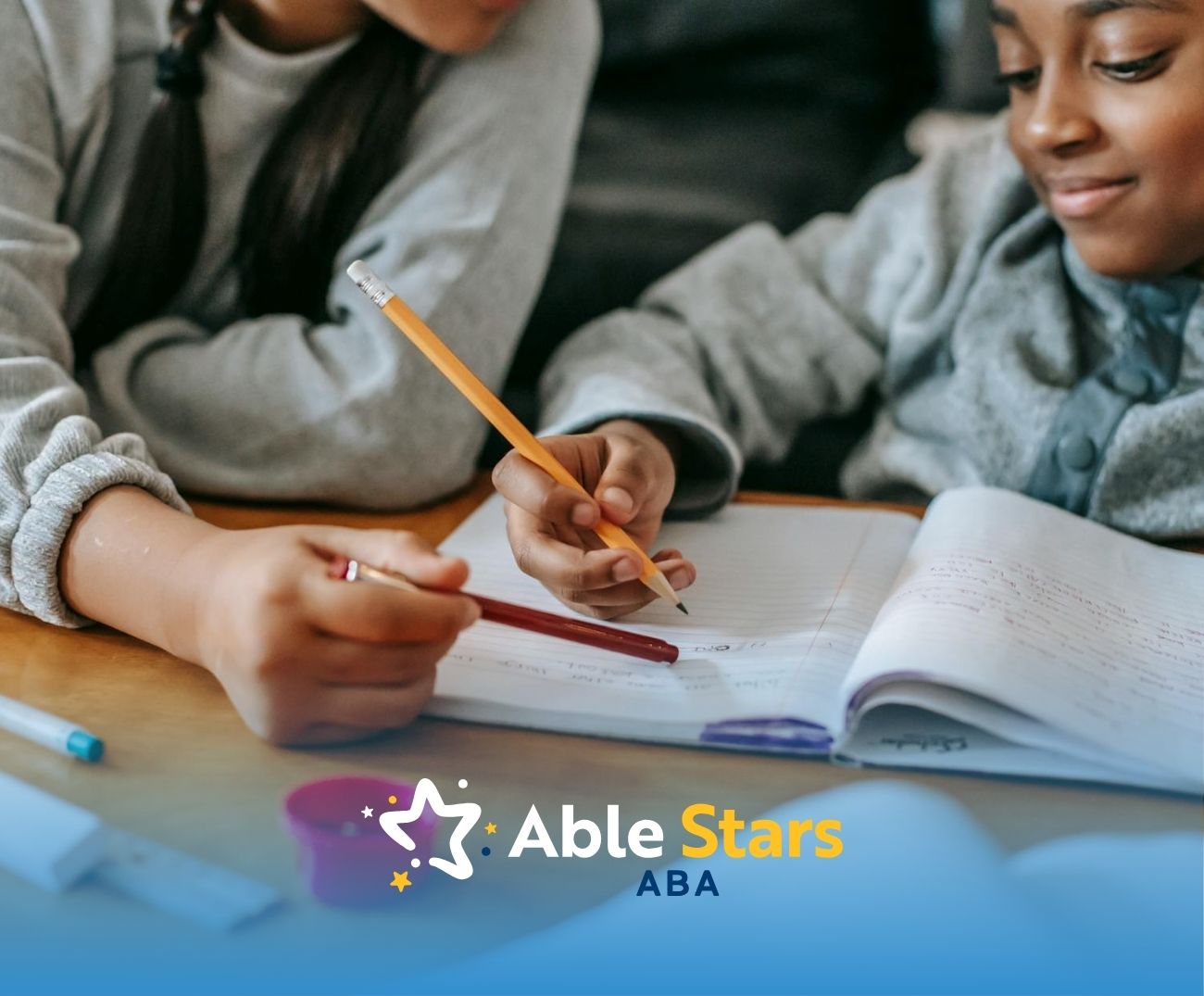
Yes, ABA therapy can help children with autism improve their writing skills. While ABA is often known for addressing behavior and communication, it also supports academic tasks like handwriting,...
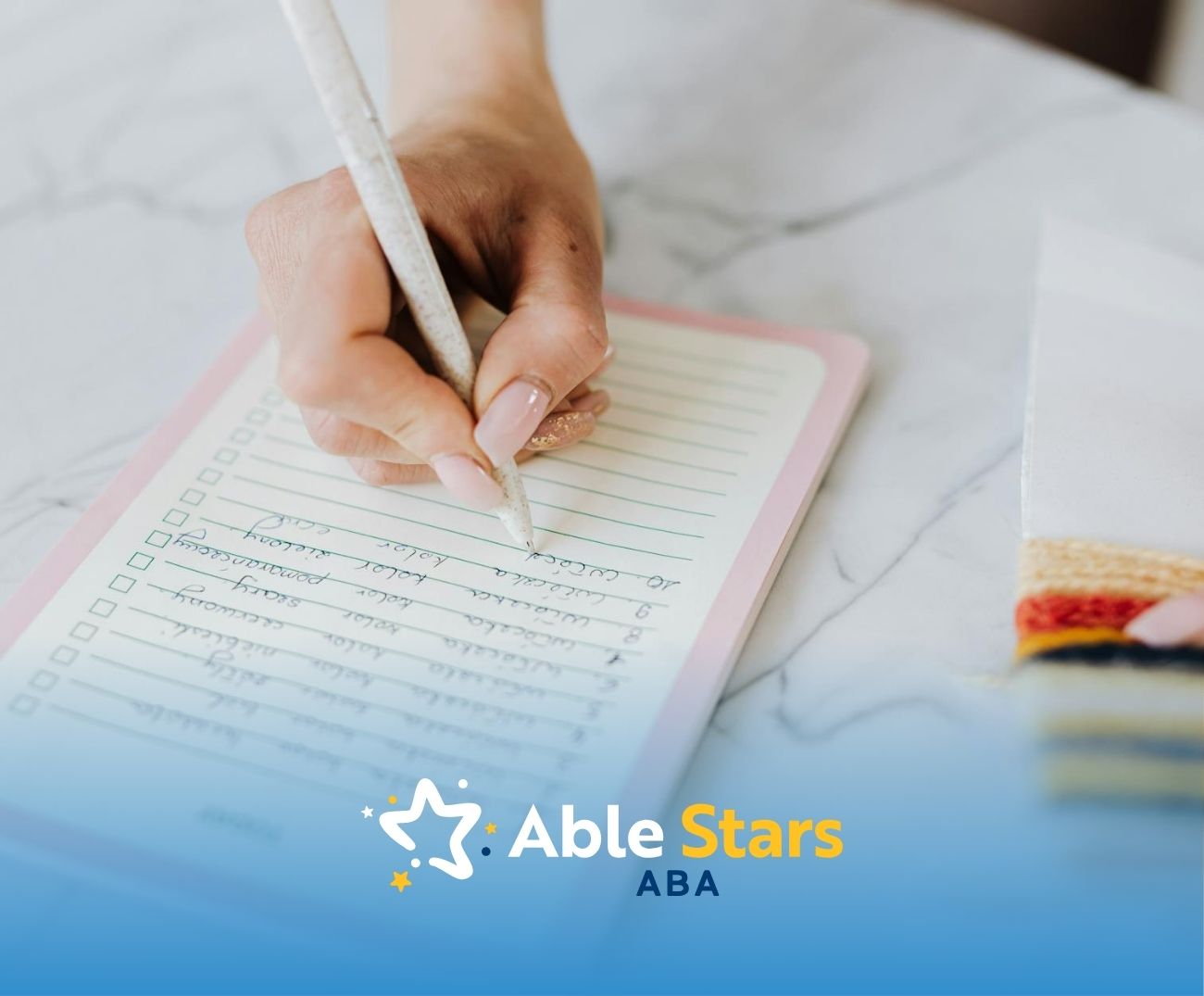
Yes, you can apply principles of Applied Behavior Analysis (ABA) to yourself, this is known as self-management. ABA is all about understanding behavior, what triggers it, and what reinforces...
How long should a child stay in ABA therapy? Duration varies by need—some benefit from years of support, while others transition out once goals are achieved.