Applied Behavior Analysis (ABA) has helped many autistic individuals learn skills and manage behaviors — but is ABA therapy harmful? The honest answer: it can be, but only under certain conditions. Responsible, well-implemented ABA is different from outdated or harmful practices.
When ABA Works – Evidence for Benefits
- ABA is one of the most researched interventions for autism. It’s defined as an evidence-based practice, shown to help individuals with ASD acquire functional skills, reduce self-harm or dangerous behaviors, and increase independence.
- For example, children receiving ABA in structured programs have demonstrated improvements in communication, daily living skills, and adaptive behavior over time.
When ABA Can Be Harmful – Concerns & Criticisms
Some individuals and researchers raise real concerns about ABA therapy, especially when it’s applied rigidly or without respect for neurodiversity:
- Historical versions of ABA sometimes used punishment or compliance-based methods — approaches many consider unethical now.
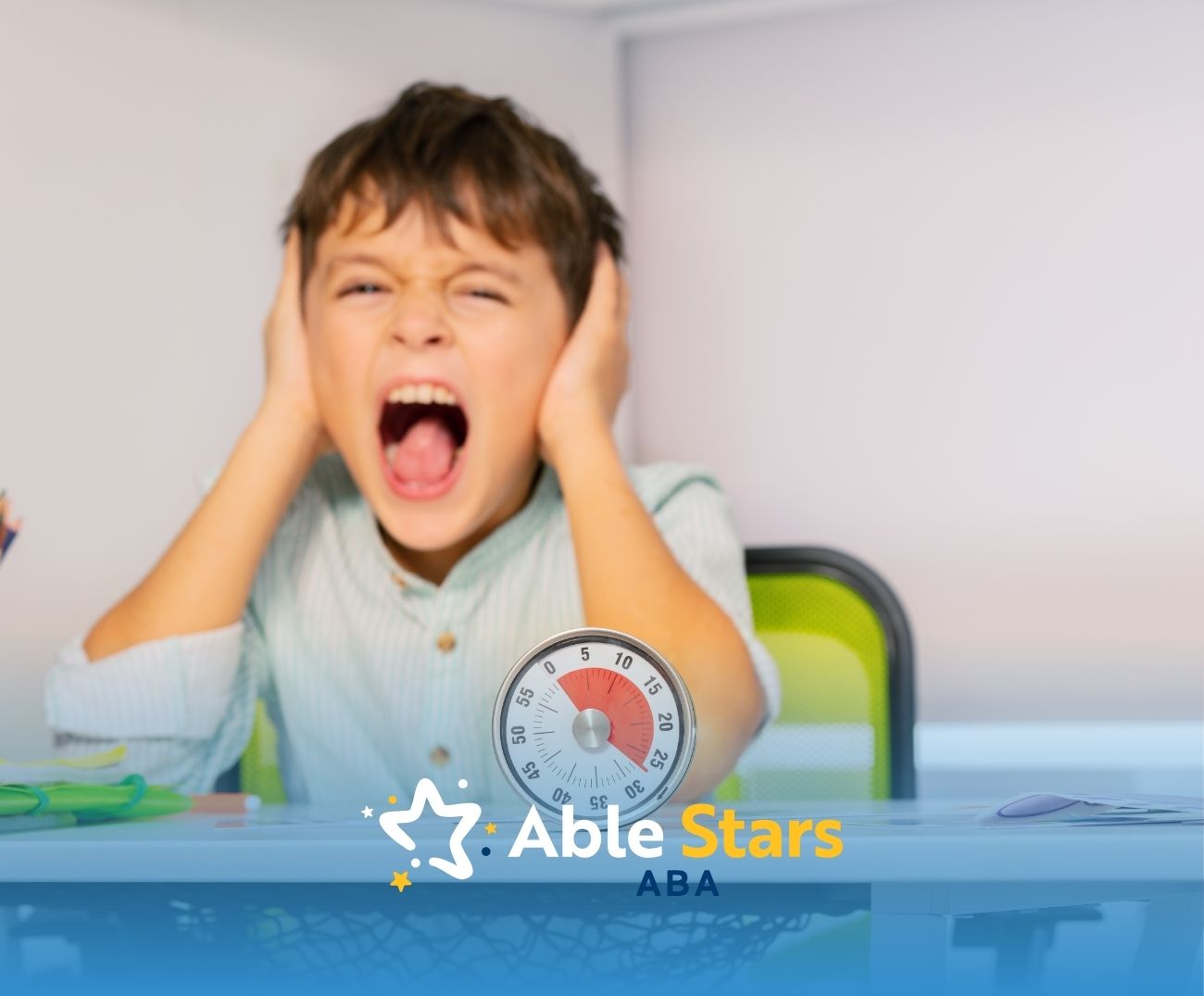
- Modern critics argue that forcing autistic children to suppress natural behaviors (like stimming or avoiding eye contact) can cause emotional distress, identity suppression, masking, or even trauma in some cases.
- Some studies and reviews note that if ABA goals focus more on making a child “appear normal” rather than supporting meaningful life skills, the therapy may do more harm than good.
What This Means for Families
Whether ABA therapy is helpful or harmful depends a lot on how it’s done:
- Good ABA: Respectful of individuality, focused on functional skills, uses positive reinforcement, and adapts to the person’s comfort and consent.
- Poor ABA: Rigid, compliance-focused, ignores personal dignity, or pushes behavior normalization without respecting neurodiversity.
At Able Stars ABA, we emphasize ethical, compassionate, and individualized ABA — aiming to support each child’s growth without forcing conformity.
Conclusion
ABA therapy is not inherently harmful — but it can be, if applied without respect for the individual. When done right, ABA offers powerful support for skill-building and independence.
If you want ABA in Maryland that focuses on respect, dignity, and real progress, reach out to Able Stars ABA. Let’s talk about what your child needs — and how we can help them thrive on their own terms.
Sources:
- https://childmind.org/article/controversy-around-applied-behavior-analysis/
- https://www.medicalnewstoday.com/articles/is-aba-therapy-harmful
- https://pmc.ncbi.nlm.nih.gov/articles/PMC8702444/
- https://www.gcd.nm.gov/wp-content/uploads/2018/05/Effects_of_Applied_Behavior_Analysis_on_individuals_with_Autism.pdf