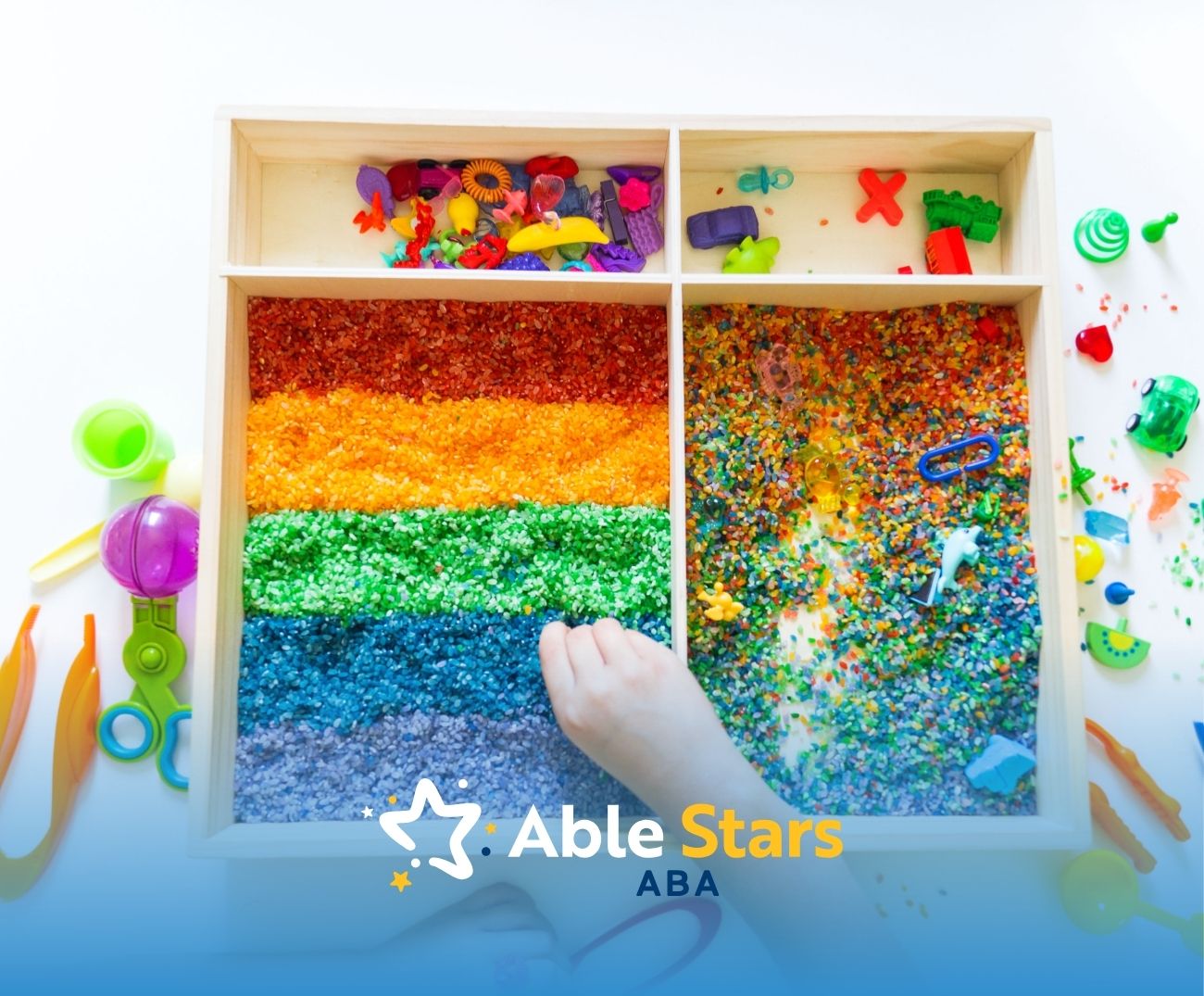
Busy days mean happier kids. When it comes to “How to keep autistic kids busy?”, start simple: match activities to your child’s personal interests and sensory needs. Studies show...
Why do autistic kids need sensory rooms? Sensory rooms provide a safe, calming space designed especially for autistic children to manage sensory challenges. These rooms help reduce sensory overload,...
Applied Behavior Analysis (ABA) therapy is widely recognized as one of the most evidence-based approaches for supporting individuals with autism. However, like any therapy, it comes with its own...
What’s the Difference Between Shaping and Chaining in ABA? Applied Behavior Analysis (ABA) uses different teaching strategies to help individuals develop new skills. Two commonly used techniques are shaping...
Choosing when to stop ABA therapy can feel hard and emotional for many families. ABA therapy is there to help children with autism spectrum disorder make real gains in...
ABA therapy (Applied Behavior Analysis) is one of the most effective treatments for children with autism—but it can also be costly. Many families wonder how they’ll afford the services...
Applied Behavior Analysis (ABA) can be a highly effective tool for helping children with autism develop life skills, communication, and independence. However, the success of ABA depends greatly on...
Choosing the right setting for ABA therapy is one of the most important decisions families face after an autism diagnosis. With options ranging from in-home sessions to structured center-based...
Applied Behavior Analysis (ABA) therapy stands as a cornerstone in addressing the behavioral challenges related to attention deficit hyperactivity disorder (ADHD). Children struggling with ADHD often face hurdles in...
Who pays for ABA therapy? In most cases, health insurance covers the cost—public or private. Medicaid and private plans both may fund services when ABA is deemed medically necessary...